
Tampa, FL, March 10th, 2026–Written by Nick Cannella
If you own land in Central Florida, there’s a growing chance you’ve received a call that didn’t quite make sense at first.
A buyer asking about a small strip of your property.
A developer interested in “just a portion.”
An offer that seems oddly specific about boundaries.
What you may be looking at is something called a land assemblage.
And right now, Florida land assemblage activity is increasing across Central Florida — from Winter Garden to Wesley Chapel, from Horizon West to the outskirts of Orlando’s expanding suburbs.
So what’s driving it?
Why are assemblage deals becoming more common?
And what does it mean for landowners?
Let’s take a closer look.
What Is a Florida Land Assemblage?
A land assemblage occurs when a buyer acquires multiple adjacent parcels from different owners to combine them into one larger, more valuable development site.
Individually, each parcel may have limited development potential.
Combined, they can unlock:
- Higher density
- Better access
- Improved site layout
- Stronger entitlement opportunities
- Institutional-level buyer interest
Assemblage creates scale. And in real estate, scale changes value.
Why Assemblage Deals Are Increasing in Central Florida
Central Florida is not the same market it was 10 years ago. Several forces are converging to make assemblage more common — and more necessary.
1. Population Growth Is Pushing Outward
Central Florida continues to attract steady in-migration. As Orlando’s core becomes built out, growth is pushing into:
- Winter Garden
- Clermont
- Horizon West
- Apopka
- Lake Nona outskirts
- Wesley Chapel
- North Lakeland
- Southern Volusia
Developers need larger tracts to support:
- Master-planned communities
- Mixed-use developments
- Multifamily sites
- Commercial nodes
Many of these areas are fragmented into smaller ownership parcels. Assemblage becomes the only path to scale.
2. Infrastructure Expansion Is Creating New Opportunity
Road projects, school expansions, utility extensions, and interchange improvements are reshaping land values.
When new infrastructure is announced, developers move quickly.
Often, no single landowner controls enough acreage to support a full project. So buyers begin acquiring neighboring parcels.
The result? Assemblage activity increases.
Central Florida’s expanding highway corridors, new interchanges, and utility investments are quietly driving assemblage deals behind the scenes.
3. Zoning and Density Require Scale
In many Central Florida municipalities, higher-density development requires:
- Larger site plans
- Traffic study thresholds
- Stormwater design efficiency
- Setback buffers
- Open space requirements
A five-acre parcel might not qualify.
A twenty-acre combined tract might.
Assemblage allows developers to meet minimum site requirements and unlock higher value uses.
4. Institutional Capital Is Targeting Larger Sites
Institutional buyers — including national homebuilders and private equity-backed developers — prefer scale.
They want:
- 50+ lot subdivisions
- 100+ unit multifamily sites
- Commercial centers with depth
- Long-term phased development
Smaller, scattered parcels are inefficient for these groups.
Assemblage creates inventory that fits institutional buying criteria.
As more capital flows into Florida land markets, assemblage becomes more common.
How Assemblage Changes Land Value
This is where it becomes important for landowners.
Your property may be worth one number alone.
It may be worth a completely different number as part of a combined tract.
For example:
- A 3-acre corner might support limited commercial use.
- Combined with adjacent parcels, it may support a 25-acre mixed-use project.
The difference in land value can be significant.
But here’s the catch: early sellers in an assemblage sometimes sell below the value created by later sellers.
Timing and strategy matter.
The Risk of Selling Too Early in an Assemblage
When developers start assembling land, they rarely tell everyone at once.
They often:
- Approach one owner quietly
- Secure a contract
- Use that contract as leverage to approach others
If you sell before understanding the broader picture, you may leave value on the table.
Questions to ask if approached:
- Are neighboring properties under contract?
- Is this buyer attempting a larger assemblage?
- What density are they pursuing?
- Is zoning changing nearby?
- Is infrastructure expanding?
Understanding the full landscape changes negotiation power.
Why Assemblage Deals Require Coordination
Assemblage transactions are rarely simple.
They often involve:
- Multiple sellers
- Different ownership entities
- Different expectations
- Title coordination
- Simultaneous closings
- Conditional contracts
If one piece falls apart, the entire deal can collapse.
For developers, this creates complexity.
For sellers, it creates leverage — if managed properly.
Common Assemblage Scenarios in Central Florida
Assemblage activity is not random. It tends to concentrate in specific situations.
1. Roadway Intersections with Depth
Major intersections often require depth for:
- Commercial centers
- Medical office
- Grocery anchors
- Retail outparcels
Multiple adjacent parcels are combined to create viable commercial layouts.
2. Transitional Agricultural Land
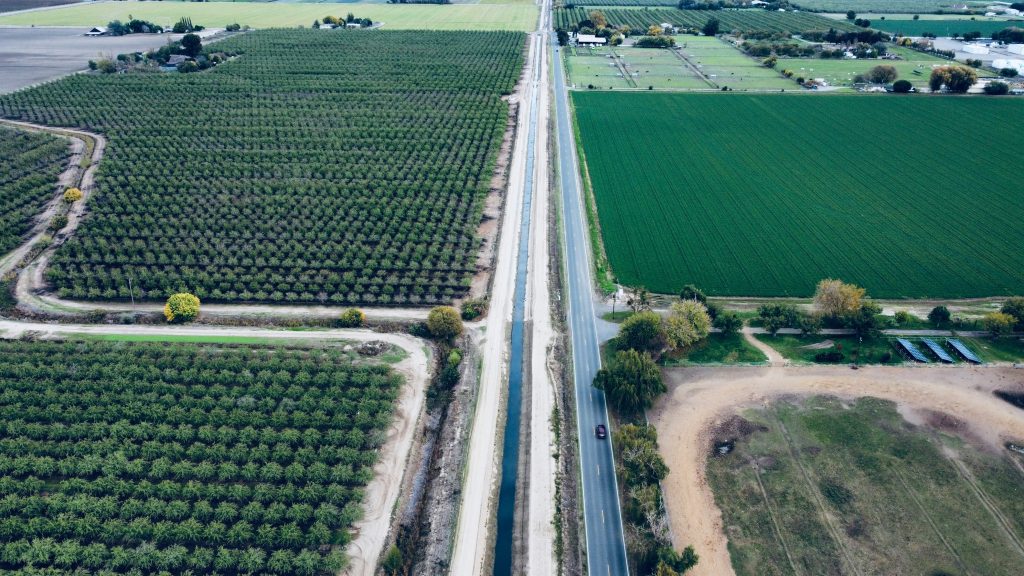
Farmland on the edge of expanding suburbs is frequently fragmented.
As development pressure increases, developers assemble multiple tracts to create:
- Single-family subdivisions
- Townhome communities
- Build-to-rent projects
3. Mixed-Use Corridors
Municipalities increasingly encourage mixed-use zoning.
These projects often require:
- 15–40 acres
- Coordinated access
- Integrated site planning
Assemblage becomes necessary to reach minimum scale.
The Negotiation Dynamics of Assemblage
Assemblage changes negotiation psychology.
If you are one of several needed parcels:
- You may have leverage.
- Or you may be one of many alternatives.
The key is knowing which position you’re in. Sometimes the final parcel commands a premium. Other times, if negotiations stall, developers redesign around holdouts.
Understanding your strategic position within an assemblage is critical.
Why Developers Prefer Off-Market Assemblage
Assemblage deals often happen quietly.
Public marketing can:
- Alert competing buyers
- Drive up pricing prematurely
- Create coordination challenges
Developers prefer direct negotiation to maintain control. For landowners, that makes professional guidance even more important.
Assemblage and Entitlements
One major driver of assemblage growth in Central Florida is entitlement efficiency.
Larger sites make it easier to:
- Design cohesive stormwater systems
- Allocate open space
- Meet traffic mitigation requirements
- Negotiate density bonuses
- Integrate mixed-use components
Smaller parcels struggle with entitlement constraints. Assemblage solves those limitations.
The Timing Question: Is Now the Right Time to Sell?
Assemblage activity typically increases during:
- Infrastructure expansion cycles
- Zoning shifts
- Population acceleration
- Institutional capital inflows
Central Florida currently checks several of these boxes. That does not mean every property should sell immediately. It means landowners should understand whether they are part of a larger development picture.
Signs Your Property May Be Part of an Assemblage Target
If you notice:
- Multiple developers reaching out
- Adjacent parcels under contract
- Survey crews nearby
- Zoning conversations at city meetings
- Infrastructure upgrades planned
- Builder signage appearing nearby
Your land may be part of a broader strategy.
Awareness changes leverage.
How to Approach an Assemblage Offer
If approached about a potential assemblage:
- Do not rush.
- Ask about the full project scope.
- Understand proposed density.
- Review municipal planning documents.
- Evaluate neighboring ownership positions.
- Consider timing and market trajectory.
Assemblage offers often feel urgent.
Strategic evaluation is rarely urgent.
The Role of Competition in Assemblage Deals
Even in assemblage scenarios, competition can exist.
If your parcel holds strategic access or frontage, multiple developers may be interested.
Creating structured competition can:
- Improve price
- Strengthen deposits
- Reduce contingencies
- Improve closing timelines
Assemblage does not eliminate market forces. It reshapes them.
Why Central Florida Will Continue to See Assemblage Activity
Looking ahead, several factors suggest assemblage will remain common:
- Continued population growth
- Transportation expansion
- School and hospital development
- Mixed-use zoning initiatives
- Institutional homebuilder expansion
- Limited large undeveloped tracts
As large contiguous parcels disappear, developers must create them.
Assemblage is the solution.
Final Thoughts: Assemblage Creates Opportunity — If Managed Properly
Assemblage deals can unlock significant value.
They can:
- Transform transitional land
- Increase density potential
- Attract institutional buyers
- Support master-planned development
But they also introduce complexity.
Selling too early, without understanding the broader strategy, can limit upside.
Holding too long without understanding timing can create missed opportunity.
The key is informed positioning.
Considering Selling Land in Central Florida?
If you’ve been approached about your land — or suspect your property may be part of a larger assemblage opportunity — it’s worth evaluating your position carefully.
At Eshenbaugh Land Company, we specialize in land brokerage not only across Central Florida but across the entire state and understand how assemblage deals are structured, negotiated, and closed.
Before agreeing to terms, make sure you understand:
- The true development potential
- The broader acquisition strategy
- Your leverage within the assemblage
- Current market demand
- Long-term growth trajectory
Call 407-710-7374 or visit www.thedirtdog.com for help! Even if you ultimately choose to move forward independently, you’ll do so with clarity about your land’s full potential.
Assemblage creates value — but strategy determines who captures it.