
Tampa, FL, May 14th, 2026–Written by Nick Cannella
When landowners think about property value, acreage is usually one of the first things that comes to mind.
But in many Florida land deals, frontage can be just as important as size.
Road frontage affects how a property is accessed, seen, planned, entitled, and developed. A parcel with strong frontage along a major road may attract more interest from developers, builders, commercial users, and investors. A property with limited or complicated frontage may still have value, but buyers will usually study it more carefully before making a strong offer.
For Florida landowners, understanding road frontage can help explain why two properties with similar acreage in the same market may receive very different levels of buyer interest.
What is road frontage?
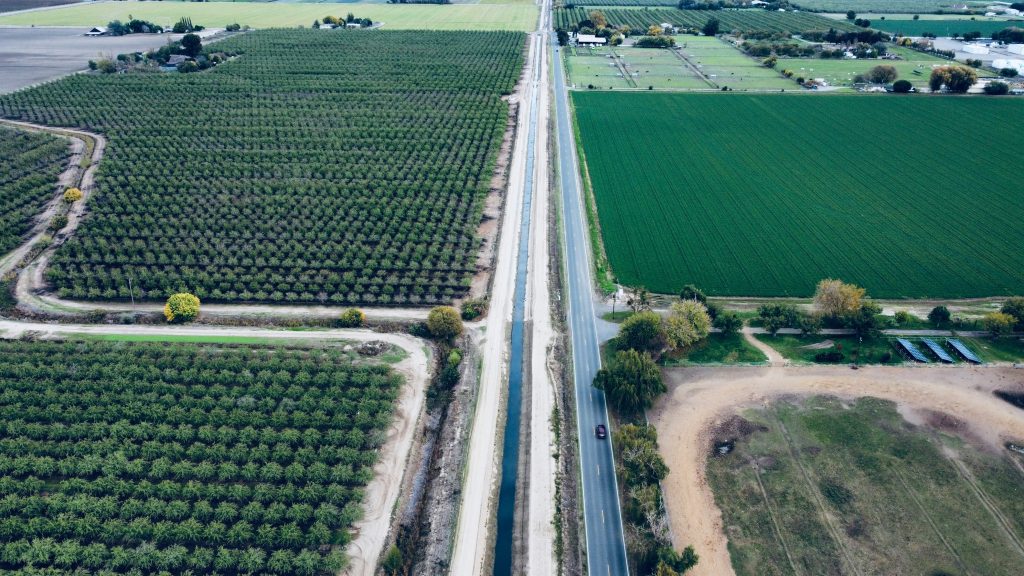
Road frontage is the portion of a property that borders a road.
At a basic level, it tells buyers how much of the property touches a public or private roadway. But in land brokerage and development, frontage is not just a measurement. It is a signal of access, visibility, development flexibility, and marketability.
A property with frontage on a major road may have better visibility and easier access than a property tucked behind other parcels. A corner parcel may offer multiple access points and stronger exposure. A landlocked parcel, or a parcel with limited frontage, may require easements, access agreements, or additional land assemblage before it can be developed.
The amount, location, and quality of road frontage can all affect value.
Why frontage matters to developers
Developers do not look at road frontage in isolation. They look at what the frontage allows them to do.
A residential developer may care about whether the frontage can support safe neighborhood access, emergency access, turn lanes, and traffic circulation. A commercial developer may care about visibility, traffic counts, turning movements, driveway placement, and whether the property can support a retail user’s access requirements. An industrial buyer may care about truck movement, roadway capacity, and proximity to major routes.
In each case, frontage helps answer a larger question:
Can this property physically and legally support the intended project?
If the answer is unclear, the buyer may reduce the offer, request a longer due diligence period, or move on to another site with fewer unknowns.
Not all frontage is equal
More frontage is usually helpful, but it does not automatically mean a property is more valuable.
The quality of the frontage matters.
A property may have significant frontage along a road, but if there is no approved driveway connection, limited turning movement, a restrictive median, poor sight distance, drainage conflicts, or difficult permitting conditions, that frontage may not be as useful as it appears.
Buyers often study questions such as:
- Is the road public or private?
- Is the frontage along a local road, collector road, arterial road, or highway?
- Can the property receive a driveway permit?
- Are turn lanes, deceleration lanes, or signal improvements required?
- Are there median cuts or full access movements?
- Is the frontage visible to passing traffic?
- Does the road have enough capacity for the intended use?
- Are there access easements or shared driveways?
- Will FDOT, the county, or the city control access approval?
A site with less frontage but better access may sometimes be more attractive than a site with more frontage and more complications.
Frontage can influence highest and best use
Road frontage can shape what a property is best suited for.
A parcel with strong frontage on a high traffic road may be attractive for commercial uses, mixed use development, self storage, medical office, retail, or other higher visibility uses. A property with frontage on a quieter road may be better suited for residential development, estate lots, agricultural use, or long term investment.
Frontage can also affect how a site is laid out. Commercial users may want visibility and direct access near the front of the property. Residential developers may need enough frontage to create an entrance road, signage, landscaping, stormwater facilities, and internal circulation. Industrial users may need frontage that supports truck access and safe ingress and egress.
The same land can have very different value depending on how the frontage supports the likely use.
Corner parcels often receive extra attention
Corner parcels can be especially attractive because they may offer visibility from two roads and more flexibility for access.
For commercial development, corner locations are often desirable because they can improve exposure, signage, turning options, and site circulation. For residential or mixed use development, a corner can create more options for entry points, phasing, and internal road design.
However, corner frontage also comes with additional review. Buyers may need to understand turning movements, traffic signal potential, driveway spacing, stormwater design, and agency requirements from more than one road.
A corner parcel can be valuable, but the value still depends on whether the access works.
Access can be more important than visibility
Visibility helps people see a property. Access determines whether they can actually get to it.
This distinction is important.
A commercial site may sit along a busy road with strong traffic counts, but if customers cannot easily turn into the site, the location may be less attractive. A residential site may be in a growing area, but if the only access point is narrow, indirect, or requires major improvements, the project may become more expensive or harder to approve.
Developers and users often look closely at ingress and egress, which simply means how vehicles enter and exit the property.
For many uses, the best frontage is not just the most visible frontage. It is the frontage that allows safe, practical, and approvable access.
Frontage affects entitlement risk
Road frontage can also affect the entitlement process.
During development review, local governments and transportation agencies may evaluate access, traffic impact, driveway spacing, turn lanes, roadway improvements, pedestrian connections, emergency access, and compatibility with surrounding uses.
If a project is expected to create additional traffic, the buyer may need traffic studies, off site improvements, or agency approvals before moving forward. These requirements can affect both timing and cost.
That is why developers often investigate frontage and access early in due diligence. If access improvements are expensive or uncertain, the buyer may adjust the offer or require more time to complete approvals.
Limited frontage does not always mean limited value
A property with limited frontage is not automatically a bad property.
In some cases, limited frontage may still work for residential development, agricultural use, recreational land, conservation, estate lots, or assemblage with neighboring parcels. A buyer may also be able to solve access issues through easements, shared access agreements, or by acquiring adjacent land.
However, limited frontage usually creates more questions.
If a property cannot be easily accessed or developed on its own, the buyer pool may be smaller. The value may depend more heavily on a specific user, nearby property owner, or assemblage strategy.
For sellers, the important point is to understand how the market will view the access situation before setting pricing expectations.
Landlocked parcels require special attention
A landlocked parcel is a property with no direct legal access to a road.
These properties can still have value, but they are usually more complicated to sell. Buyers will want to understand whether legal access exists through an easement, whether access can be negotiated with a neighboring owner, and whether the property can be developed or used without direct frontage.
In some cases, a landlocked parcel may be most valuable to an adjacent owner. In other cases, it may need to be assembled with other property before it becomes attractive to developers.
Landowners with landlocked parcels should be especially careful when evaluating offers. The buyer may be pricing in the cost and uncertainty of solving access.
Road improvements can change land value over time
Road projects can create meaningful shifts in land value.
New interchanges, road widenings, bypasses, utility extensions, and improved connections can bring new attention to previously overlooked areas. In Florida, transportation improvements often influence where developers look for future residential, commercial, and industrial sites.
A property that feels rural today may become more attractive if a planned road project improves access or connects it to a growth area. On the other hand, road changes can also create new restrictions, medians, access changes, or right of way impacts that affect development potential.
For landowners, it is worth understanding not only the road frontage that exists today, but also what transportation improvements may be planned nearby.
How frontage affects land value
Road frontage can influence land value in several ways.
It can increase visibility. It can improve access. It can create more development flexibility. It can expand the buyer pool. It can support commercial or mixed use potential. It can reduce uncertainty during due diligence.
But it can also create challenges.
If frontage is limited, access is unclear, road improvements are required, or government approvals are uncertain, buyers may factor those risks into their pricing.
In many cases, frontage does not create value by itself. It creates value when it supports a realistic, marketable, and approvable use.
What landowners should know before selling
Before selling land in Florida, owners should understand how buyers are likely to view the property’s frontage and access.
Helpful questions include:
- How much road frontage does the property have?
- What road or roads does it front?
- Is access public, private, shared, or unclear?
- Are there existing driveways or curb cuts?
- Are there easements or access agreements?
- Is the road controlled by the city, county, or FDOT?
- Could future road improvements affect the site?
- Does the frontage support the property’s likely highest and best use?
Answering these questions before going to market can help a seller understand value, buyer demand, and potential deal issues earlier in the process.
Final thoughts
Road frontage is one of the most important physical characteristics of a land parcel. It affects how the property is seen, accessed, planned, approved, and ultimately valued.
For Florida landowners, the key is not just how much frontage a property has. The real question is whether that frontage supports the property’s most likely use.
A land focused broker can help evaluate frontage, access, surrounding road conditions, and buyer demand before a property is brought to market. That perspective can help landowners avoid surprises and better understand how developers, builders, investors, and end users may view the opportunity.
If you are considering selling land in Florida, Eshenbaugh Land Company can help evaluate how road frontage, access, utilities, zoning, entitlements, and market demand may influence your property’s value.
For buyers and developers evaluating the market, current available land opportunities can provide helpful context on acreage, location, frontage, and development potential across Florida.