
Tampa, FL, August 17th, 2026–Written by Nick Cannella
Buying land in a Florida flood zone is not automatically a bad decision — but it is one that changes your costs, your insurance, and what you can build, and it demands diligence most buyers skip.
Florida’s geography means a large share of its land carries some flood risk. In our work across the state — and especially along the Gulf Coast after back-to-back hurricane seasons — flood zone questions come up on a meaningful portion of the parcels buyers evaluate. Knowing how to read the risk is the difference between a smart buy and an expensive surprise.
This post explains how Florida flood zones work, what they mean for development, and how to protect yourself before you sign.
What is a Florida flood zone?
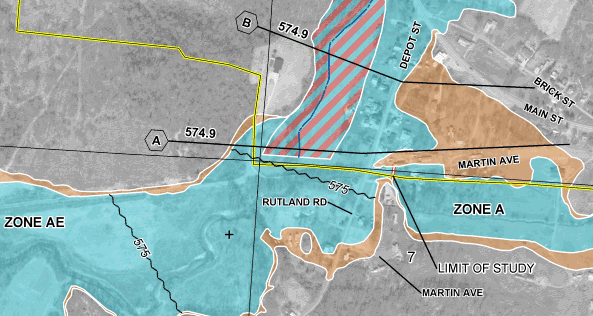
A flood zone is a geographic area that FEMA has classified according to its risk of flooding, mapped on Flood Insurance Rate Maps (FIRMs).
The zones you will encounter most in Florida fall into a few broad groups. Understanding which one a parcel sits in tells you a great deal about its development cost and insurance burden before you ever order a survey.
- Zone VE: Higher-risk coastal zones subject to wave action — the most restrictive and expensive to build in.
- Zone AE / A: High-risk zones within the 100-year floodplain, requiring flood insurance for financed structures and elevated construction.
- Zone X: Moderate-to-low risk — outside the 100-year floodplain. Lower cost, fewer restrictions, but not zero risk.
The distinction matters enormously. A parcel in Zone VE carries construction and insurance requirements that a Zone X parcel a mile away does not.
Why the flood zone affects what you can build — and what it costs
Flood designation drives real dollars, in three ways.
First, construction cost. Building in an AE or VE zone typically requires elevating structures above the base flood elevation, which adds engineering, fill, and foundation expense. Second, insurance. Financed structures in high-risk zones require flood insurance, and premiums in coastal Florida have risen sharply. Third, permitting and density. Local floodplain-management rules can limit what and how much you build, and fill in a floodplain often requires compensating storage elsewhere on the site.
For a developer running a residual land value analysis, every one of these factors reduces what the land can bear. Understanding how developers evaluate land shows why a flood-zone parcel is priced differently from a comparable dry one.
The maps are changing — and that cuts both ways
Flood maps are not permanent. FEMA periodically updates its FIRMs, and Florida communities have seen significant map revisions in recent years.
That creates both risk and opportunity. A parcel currently mapped in Zone X could be redrawn into AE after an update, raising its costs. Conversely, a Letter of Map Amendment (LOMA) or Letter of Map Revision (LOMR) can sometimes remove a property — or part of it — from a high-risk zone if elevation data supports it. A buyer who understands the current map, the elevation, and whether a map change is pending holds a real advantage.
How to protect yourself when buying land in a Florida flood zone
Diligence is everything here. Before you commit to a flood-zone parcel, work through these steps:
- Check the map: Pull the FEMA flood map for the exact parcel — confirm the zone and the base flood elevation.
- Get elevation: Order an elevation certificate. Actual ground elevation can differ from what the zone implies and can change your insurance dramatically.
- Price insurance: Get a flood insurance quote before closing so the carrying cost is a known number, not a post-purchase shock.
- Local rules: Confirm local floodplain rules — fill limits, compensating storage, and elevation requirements — with the county or municipality.
- Map changes: Investigate whether a map revision (LOMA/LOMR) is possible or pending.
- Drainage: Factor stormwater and drainage design into your development budget from the start.
The bottom line for buyers
Flood-zone land can be a sound investment — waterfront and coastal property commands premiums for a reason — but only when the risk is priced in and understood going in.
The buyers who get burned are the ones who discover the elevation requirements, insurance costs, or fill restrictions after they are already under contract. The buyers who do well treat the flood zone as a known variable to underwrite, not a detail to gloss over.
If you are buying land in a Florida flood zone and want help reading the risk on a specific parcel, our land advisory team can help. You can also view available land listings across the state.
Considering flood-zone land? Contact Eshenbaugh Land Company to understand the true cost before you buy.