
Tampa, FL, August 14th, 2026 — Written by Nick Cannella
Note: This is general educational information, not legal or environmental advice. Always retain a qualified environmental consultant and attorney for any specific parcel.
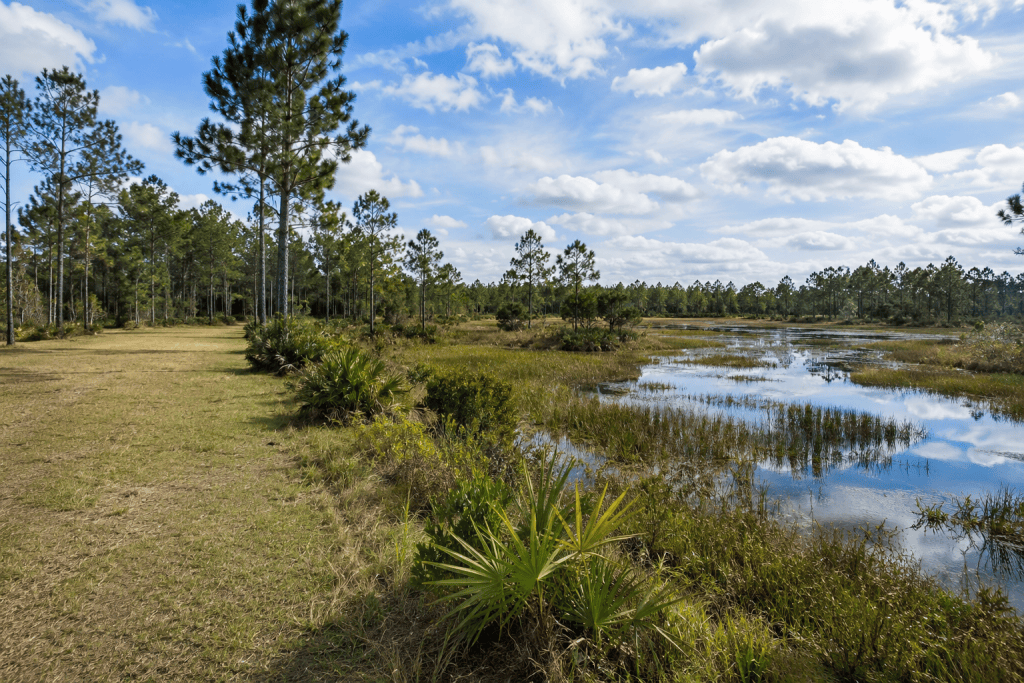
Buying land with wetlands in Florida has always required extra diligence — and a regulatory rewrite working its way through Washington could quietly become one of the most consequential changes for Florida land in a generation.
On a Monday in mid-November 2025, the U.S. Environmental Protection Agency and the U.S. Army Corps of Engineers proposed a new definition of “waters of the United States,” or WOTUS — the shorthand that determines whether a wetland, ditch, or pond on a property falls under the federal Clean Water Act. In our work advising buyers and sellers across Florida, wetland questions come up on a large share of the parcels we touch.
This post explains what the proposed change is, why it matters, and — importantly — why Florida’s own rules mean less may change here than the headlines suggest.
What the WOTUS proposal actually does
The proposal, if finalized as drafted, would significantly narrow federal jurisdiction over wetlands and other waters — pulling federal oversight back from a wide range of features that have triggered permits and slowed transactions for decades.
The story behind the rule begins, as many federal rulemakings now do, with a Supreme Court case. In Sackett v. EPA (2023), the justices held that the Clean Water Act reaches only “relatively permanent” waters and wetlands that share a “continuous surface connection” with those waters. A wetland separated from a navigable water by even a small berm, road, or natural rise was no longer presumptively federal.
The November 2025 proposal is the agencies’ attempt to translate Sackett into regulatory text. Under it, jurisdiction generally extends only to relatively permanent, standing or continuously flowing waters, plus wetlands with a continuous surface connection to them. Almost everything else — ditches, ephemeral drainages, prior-converted cropland, and many isolated wetlands — would generally fall outside federal jurisdiction.
Where the rule stands right now
This is a proposal, not yet a final rule — and the timeline matters for anyone buying land right now.
The 45-day public comment period closed on January 5, 2026, drawing nearly 11,000 comments. The agencies are now reviewing that feedback and are expected to issue a final rule later in 2026, though the timing remains uncertain. Once published, the rule would take effect 60 days after it appears in the Federal Register.
Until then, the ground has not shifted underneath existing deals — but buyers underwriting long-horizon projects should be watching closely.
Why Florida may change less than the headlines suggest
Here is the part specific to our market: Florida did not borrow its wetlands program from the federal government.
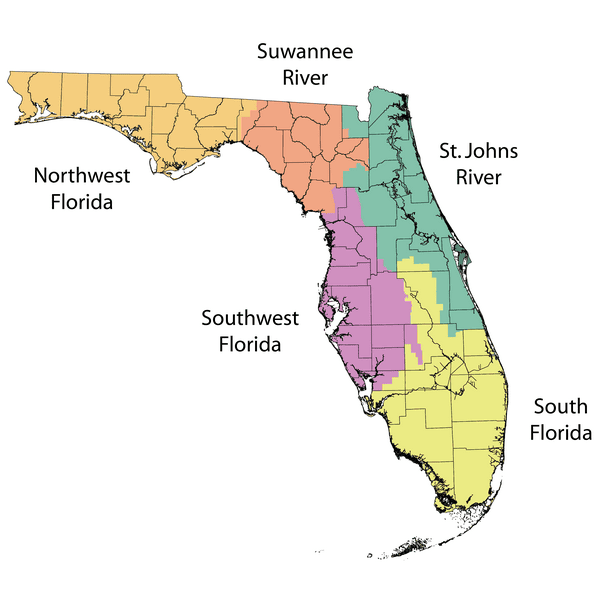
Chapter 373 of the Florida Statutes, administered by the Florida Department of Environmental Protection and the five water management districts, runs in parallel. The Environmental Resource Permit program is alive and well, and a federal pull-back does nothing to change a district’s authority over surface waters and isolated wetlands.
Florida is also already operating under the narrower framework. Because of ongoing litigation, the agencies are interpreting WOTUS in Florida and 25 other states consistent with the pre-2015 regime and the Sackett decision. In practice, that means a Florida wetland that loses federal status may still be fully regulated by the state. Anyone advising a Florida land deal needs to keep that distinction clear.
What this means for buyers doing due diligence
For a buyer, the practical takeaway is that wetland due diligence in Florida is not getting simpler — the layer that may change is federal, while the state layer remains.
That makes a few steps essential on any parcel with water features:
- Delineate: Order a wetland delineation from a qualified Florida environmental consultant — do not rely on aerials or seller representations.
- Two layers: Determine both federal AND state jurisdiction. A feature outside WOTUS may still require a state Environmental Resource Permit.
- Net acreage: Calculate net developable acreage, not gross. Wetlands can significantly reduce the buildable footprint.
- Mitigation: Factor mitigation costs and timelines into your underwriting before you go hard on a contract.
Understanding how developers evaluate land before you buy keeps wetland surprises from derailing a deal at the finish line.
The opportunity hidden in the uncertainty
Regulatory change creates winners as well as headaches. The deals that benefit most from a WOTUS pull-back are the ones where federal jurisdiction was the obstacle in the first place.
If you own a property where wetlands have stalled a sale or stretched a permitting timeline, a narrower federal definition — paired with a clear reading of state jurisdiction — could improve your position. And for buyers, parcels that were passed over because of federal permitting friction may deserve a fresh look.
Ultimately, anyone buying land with wetlands in Florida should treat this as the rule to watch — while remembering that in this state, the water management district usually has the final say. Our land advisory team can help you think through the wetland picture on a specific parcel. You can also view available land listings across Florida.
Evaluating a parcel with wetlands? Contact Eshenbaugh Land Company to think through the jurisdiction and diligence before you commit.