
Tampa, FL, July 28th, 2026–Written by Bill Eshenbaugh
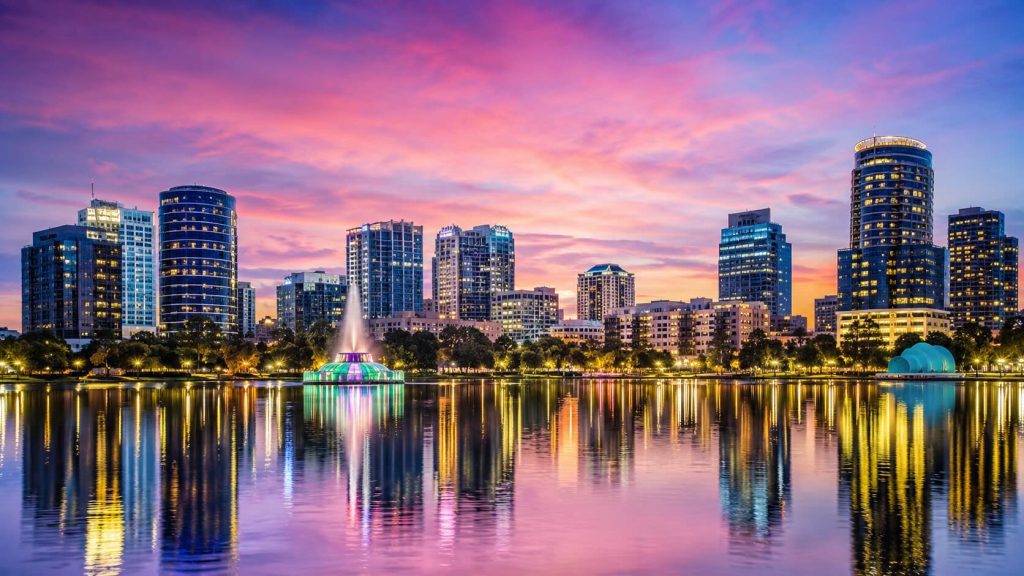
Search interest in Central Florida land has grown dramatically in 2026, and the data reflects something tangible on the ground. With over $50 billion in development projects announced or underway in the Orlando metro, and population growth continuing to outpace most major Sun Belt markets, demand for well-positioned Central Florida land is running ahead of what many market observers anticipated at the start of the year.
What’s Fueling Development Across the Region
Several forces are converging simultaneously.
Population growth. Central Florida continues to attract residents from across the country — families relocating for cost of living and job opportunities, retirees drawn by climate and amenity, and remote workers who have full flexibility over where they live. The Orlando-Kissimmee-Sanford MSA added population at one of the fastest rates in the country over the past five years. That growth needs land to build on.
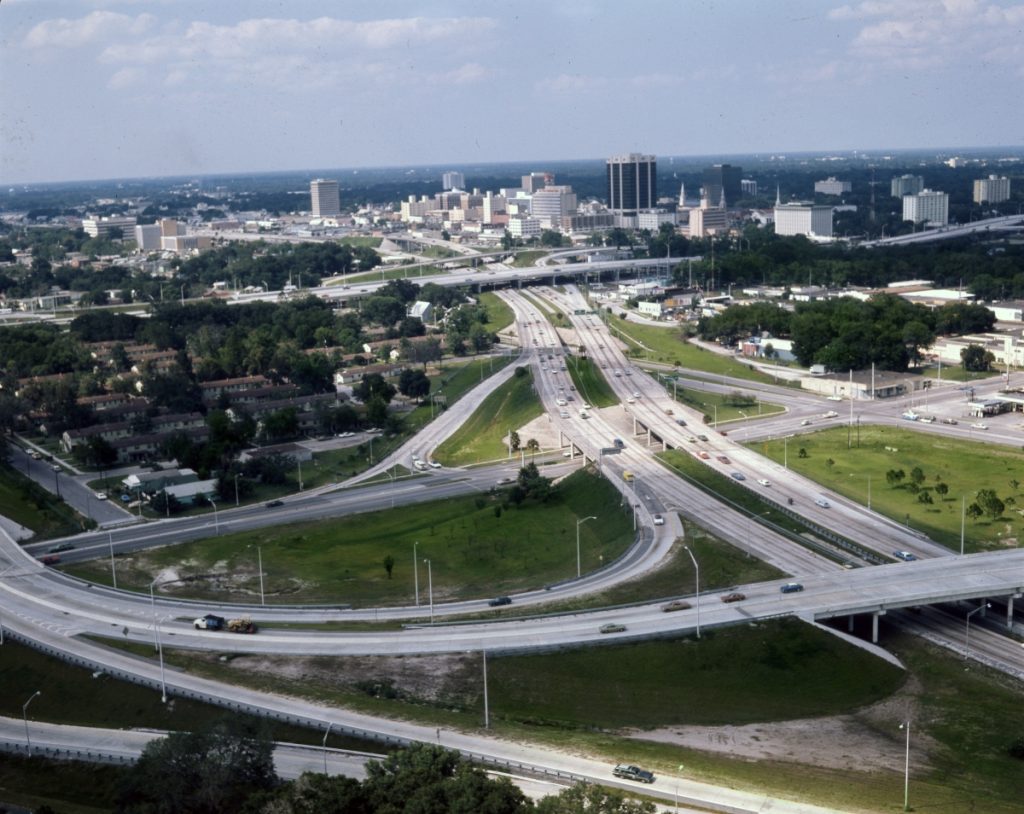
Infrastructure investment. Improvements to I-4, the Wellness Way corridor between Osceola and Lake counties, and planned regional transportation upgrades are opening new areas to development pressure and reshaping how investors evaluate land in the spaces between existing urban nodes. The gradual improvement of connectivity between Orlando and Tampa is beginning to affect how buyers think about the land in the corridor between them.
Institutional capital. REIT-backed developers, national homebuilders, and private equity funds remain active in Central Florida land acquisitions. They are looking for scale — sites large enough to support the product their capital sources require — and they are willing to move quickly and competitively on well-positioned opportunities.
Where Activity Is Concentrated
- Osceola County: Strong activity along the US-192 corridor, in the Kissimmee gateway, and along the Poinciana/Wellness Way expansion zone — one of the most talked-about growth corridors in the state
- Lake County: Clermont and the SR-50 corridor are seeing increasing residential and commercial demand as buyers price out of closer-in Orange County locations
- Polk County: Continued logistics and industrial growth, with e-commerce distribution driving demand for large tracts with I-4 access
- East Orange and Seminole County fringe: Infill development pressure as available sites become scarcer closer to the urban core
- I-4 corridor generally: Still the spine of Central Florida activity, with active development pushing further in both directions
What the Inventory Picture Looks Like
Central Florida’s broader real estate market has seen inventory rise significantly from pandemic lows, with active listing counts across the Orlando metro well above where they stood in 2022 and 2023. For land specifically, the picture is more nuanced. Total inventory has increased, but well-positioned, development-ready sites — particularly those with utilities in proximity, clean entitlements, and favorable traffic access — remain scarce and competitive. The sites that check all the boxes still attract multiple buyers.
What Buyers Need to Know
Working in Central Florida’s land market in 2026 requires understanding submarket dynamics at a granular level. Statewide statistics are largely irrelevant when you are evaluating a specific parcel in Osceola County vs. one in northern Lake County. The zoning context, infrastructure timeline, and buyer competition look very different ten miles apart.
Eshenbaugh Land Company operates across Central Florida with deep knowledge of the submarkets driving today’s activity. Browse our current land listings or contact us to discuss what you are looking for.