

Tampa, FL, June 25th, 2026–Written by Nick Cannella
When selling land in Florida, accepting an offer feels like the finish line.
It is not. It is the start of a new phase — one that most sellers are not fully prepared for.
Between the signed contract and the closing table, a great deal happens. Understanding what to expect — and what your obligations are — makes the difference between a smooth closing and a transaction that quietly unravels.
This guide walks you through the full post-contract process, step by step.
The selling land in Florida process moves through several distinct stages after a contract is signed.
Step 1: The contract is executed
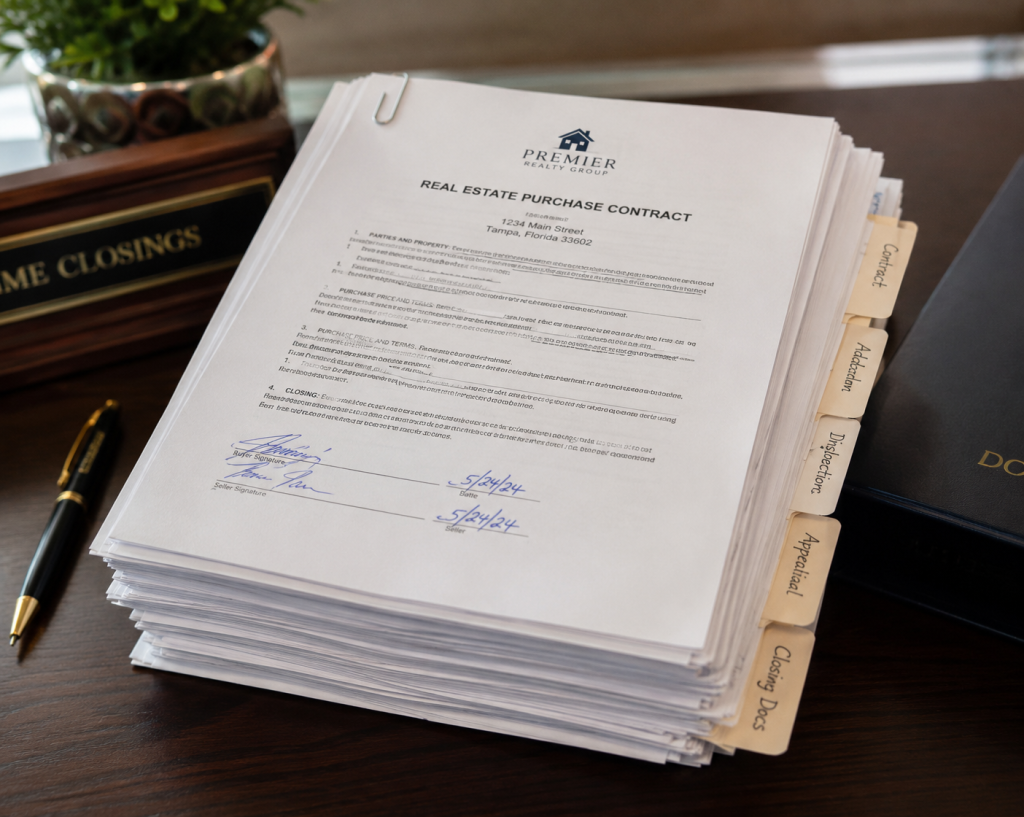
Once both parties sign the purchase and sale agreement, the contract is executed.
At this point, the clock starts on several deadlines — most importantly, the due diligence period. Read the contract carefully before signing. Know the due diligence period length, the earnest money schedule, the extension rights, and any contingencies the buyer has negotiated.
If you worked with a broker, this is the stage where their contract knowledge matters most. The terms agreed to here govern everything that follows.
Step 2: The buyer deposits earnest money
Within a few days of execution, the buyer typically deposits initial earnest money with the escrow agent — usually a title company.
Earnest money is the buyer’s financial commitment to the deal. In land transactions, it is structured differently than residential contracts. There are often two tranches: an initial deposit made at contract execution, and an additional deposit made when the due diligence period expires and the buyer goes “hard.”
Until the buyer goes hard, the earnest money is typically fully refundable if they terminate during due diligence. Once the buyer goes hard, the deposit is at risk if they walk away without a contractual reason.
As a seller, the earnest money schedule tells you how committed the buyer is — and at what point you have real protection if the deal falls apart.
Step 3: Due diligence begins
The due diligence period is the buyer’s window to investigate the property before they are fully committed.
During this phase, the buyer will typically conduct title research, a boundary survey, environmental assessment, zoning and future land use review, utility confirmation, and their own feasibility analysis. For developer buyers, this process can be extensive — and may involve engineers, environmental consultants, attorneys, and internal investment committee review.
What does this mean for you as a seller? Expect requests.
The buyer may ask for copies of any existing surveys, soil tests, permits, environmental reports, or utility correspondence you have. Providing these promptly keeps the process moving and builds confidence with the buyer. Delays in producing documentation are one of the most common causes of unnecessary friction during due diligence.
For a detailed look at what buyers are evaluating during this phase, see what developers look for before making an offer on Florida land.
Step 4: Access to the property
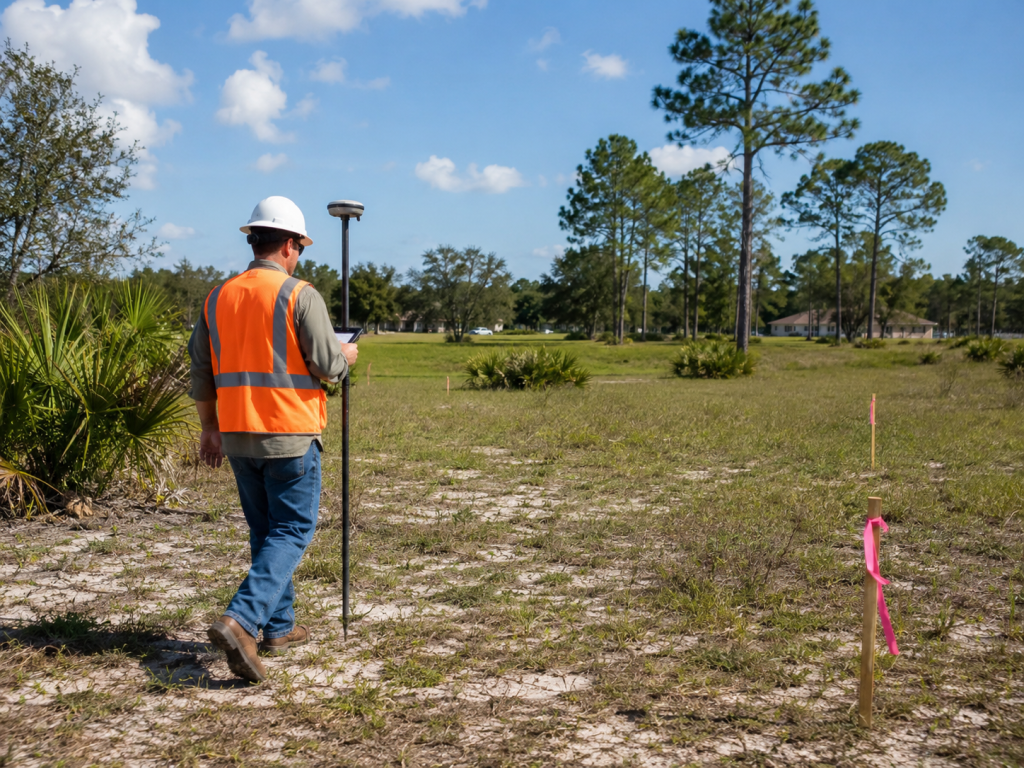
The buyer will need physical access to the property during due diligence.
This typically means surveyors, environmental consultants, and engineers walking the land. The purchase contract should address access rights — how much notice is required, whether the buyer must restore the property after testing, and who is liable for any damage.
As a seller, facilitate access. Refusing or delaying entry creates friction and can be construed as a breach of contract depending on the terms. If the property has active agricultural use or a tenant, coordinate access carefully with your broker and attorney.
Step 5: Due diligence extension requests
Buyers often request extensions to the due diligence period.
This is normal — particularly for larger transactions or properties with environmental complexity. The question for sellers is whether to grant the extension, and on what terms.
A blanket refusal can kill a deal that would otherwise close. But sellers are not obligated to extend for free. Common approaches include granting the extension in exchange for an increased earnest money deposit, making a portion of the existing deposit non-refundable, or shortening the extension relative to what was requested.
Your broker should help you evaluate whether the extension request signals a legitimate process issue or a buyer who is losing conviction. There is a meaningful difference — and the right response depends on which one it is.
Step 6: The buyer goes hard
When the due diligence period expires without a termination notice, the buyer’s earnest money typically goes non-refundable.
This is the moment the deal becomes real. The buyer has completed their review. They are committed. Backing out now costs them their deposit — which is why this moment is called “going hard.”
From a seller’s perspective, this is the point where you can begin planning your post-closing steps with confidence. That includes 1031 exchange timelines if applicable, estate planning coordination, or simply the practical logistics of clearing the property.
For more on how the 1031 exchange timeline interacts with the closing process, see what landowners need to know about 1031 exchanges.
Step 7: Title work and closing preparation
While due diligence is underway, the title company is working in parallel.
The title search will identify any liens, encumbrances, easements, or title defects that need to be resolved before closing. As a seller, you may be asked to address specific items — satisfying an old lien, confirming an easement description, or executing a corrective deed.
Do not ignore title issues. Most are resolvable, but they take time. Discovering a title problem two weeks before closing creates unnecessary pressure. The earlier title work begins, the more time there is to resolve anything that surfaces.
Your attorney should review the title commitment and identify any requirements placed on the seller before the title company will insure the transaction.
Step 8: Closing
Once due diligence is complete, title is clear, and both parties have satisfied any remaining contract conditions, closing is scheduled.
In Florida, land closings typically occur at a title company. You will sign a deed, a closing statement, and any other documents required by the contract or the title company. The buyer funds the purchase. The title company disburses the net proceeds to you after paying off any existing mortgage or lien and collecting closing costs.
Review the closing statement carefully before signing. Confirm the sale price, prorations (the adjustment of property taxes and other recurring costs between buyer and seller as of the closing date), commission, and net proceeds match what you expected. Your broker and attorney should both be available to answer questions before you sign.
What can go wrong — and how to protect yourself
Most transactions close without major issues. But several things commonly create friction in the post-contract period.
- Title issues discovered late in the process. Earlier is always better — push your title company to begin the search as soon as the contract is executed.
- Buyer requests to renegotiate price based on due diligence findings. Environmental discoveries, survey discrepancies, or utility issues are the most common triggers. Whether to renegotiate — and by how much — depends on the severity of the finding and the strength of your alternative buyer pool.
- Delays caused by the buyer’s financing or internal approval process. Institutional buyers and homebuilders sometimes face internal hurdles that have nothing to do with your property. Staying in communication through your broker helps you understand whether delays are routine or a warning sign.
- 1031 exchange timing conflicts. If you are doing a 1031 exchange, the closing date needs to align with your replacement property timeline. Flag this with your broker and qualified intermediary early.
Understanding how long land sales typically take in Florida gives useful context for the timeline you are now inside.
If you have questions about where your transaction stands or want guidance from an experienced Florida land brokerage team, we are available to help.
You can also view available land listings if you are looking for replacement property as part of a 1031 exchange.
Already under contract or considering accepting an offer? Talk to Eshenbaugh Land Company about what comes next and how to protect your position through closing.