
Tampa, FL, April 8th, 2026–Written by Nick Cannella
If you own land in Florida, there’s a good chance wetlands may play a role in what you can and cannot do with your property.
In some cases, wetlands are minimal and manageable.
In others, they can significantly impact development potential, timelines, and ultimately land value.
Understanding how wetlands affect your land is one of the most important steps you can take before selling, developing, or even evaluating an offer.
Let’s break down what wetlands are, how they are regulated, and what they mean for your property.
What Are Wetlands?
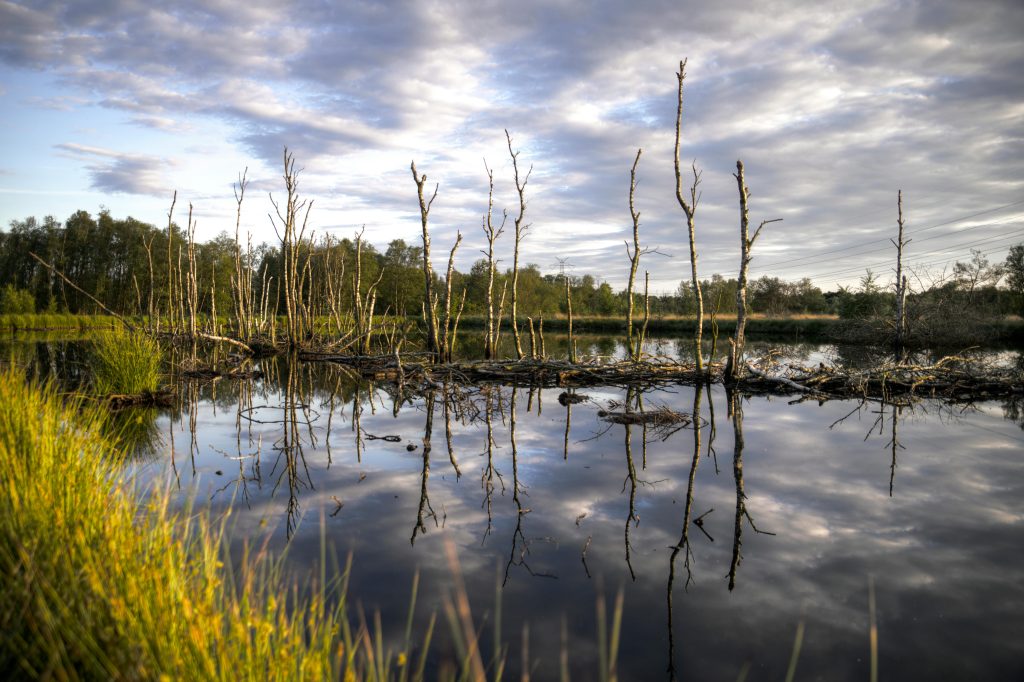
Wetlands are areas where water is present at or near the surface for a sufficient period of time to support specific types of vegetation and soil conditions.
In Florida, wetlands are extremely common due to the state’s flat topography and high water table.
They can include:
- Marshes
- Swamps
- Wet prairies
- Cypress domes
- Low-lying areas with seasonal flooding
Wetlands are not always obvious. Some may appear dry for part of the year but still be regulated due to underlying soil and vegetation characteristics.
Why Wetlands Matter for Landowners
From a regulatory standpoint, wetlands are protected.
That means you generally cannot fill, clear, or develop wetlands without proper approvals.
This is where many landowners run into challenges.
A property may look usable, but if a portion of it is classified as wetlands, it may:
- Reduce the buildable area
- Require mitigation
- Add time to the approval process
- Increase development costs
All of these factors influence value.
Who Regulates Wetlands in Florida?
Wetlands in Florida are regulated at multiple levels.
Federal Oversight
The U.S. Army Corps of Engineers (USACE) regulates wetlands under federal law, particularly when they are connected to navigable waters.
State Oversight
In Florida, the Department of Environmental Protection (FDEP) and regional Water Management Districts play a major role.
Depending on your location, this could include:
- Southwest Florida Water Management District (SWFWMD)
- St. Johns River Water Management District (SJRWMD)
- South Florida Water Management District (SFWMD)
These agencies review permits, mitigation requirements, and environmental impacts.
How Wetlands Impact Development Potential
1. Reduction in Usable Land
One of the most direct impacts is the loss of usable acreage.
For example, a 10-acre parcel may only have 6 acres of uplands (buildable land), with the remaining 4 acres classified as wetlands.
Developers typically value land based on usable area, not total acreage.
2. Site Design Constraints
Wetlands influence how a property can be laid out.
Developers may need to:
- Avoid wetland areas entirely
- Adjust road placement
- Reduce density
- Redesign stormwater systems
This can limit flexibility and increase engineering complexity.
3. Permitting and Timeline
If a project impacts wetlands, permits are required.
This can add:
- Months or even years to the timeline
- Additional environmental studies
- Coordination with multiple agencies
Longer timelines introduce more risk, which buyers factor into pricing.
4. Mitigation Requirements
If wetlands are impacted, mitigation is often required.
This means the developer must offset the environmental impact by:
- Purchasing mitigation credits
- Creating or enhancing wetlands elsewhere
Mitigation can be expensive and varies depending on the type and quality of wetlands.
Not All Wetlands Are Equal
One important detail many landowners overlook is that not all wetlands carry the same level of restriction.
Factors that influence impact include:
- Size of the wetland area
- Quality and ecological function
- Location on the property
- Connectivity to other water systems
Some wetlands are easier to work around than others.
How Developers Evaluate Wetlands
When a developer looks at a property, wetlands are one of the first things they analyze.
They typically order:
- Environmental reports
- Wetland delineations
- Surveys
From there, they determine:
- How much land is usable
- What mitigation may be required
- Whether the project is financially viable
This analysis directly impacts their offer.
Common Misconceptions About Wetlands
“If It’s Dry, It’s Not Wetlands”
Not true.
Wetlands are defined by soil and vegetation, not just visible water. Even dry areas can be regulated.
“Wetlands Make Land Worthless”
Also not true.
While wetlands can reduce usable area, many properties with wetlands still sell and develop successfully.
It’s about understanding how they fit into the overall site.
“You Can Just Fill Them In”
Filling wetlands without proper permits can lead to significant legal and financial consequences.
Always go through the proper channels.
Can Wetlands Ever Add Value?
In some cases, yes.
Wetlands can provide:
- Natural buffers
- Aesthetic value
- Conservation opportunities
- Stormwater benefits
In certain developments, preserved wetlands can enhance the overall appeal of a project.
How Wetlands Impact Land Value
Wetlands influence value in several ways.
Lower Usable Acreage
Less buildable land typically means lower overall value.
Increased Costs
Mitigation, engineering, and permitting all add expenses.
Buyer Perception
Some buyers are more comfortable working with wetlands than others.
Experienced developers may see opportunity where others see challenges.
Strategic Positioning
In some cases, wetlands can be used to position a property as:
- A conservation-focused development
- A low-density residential community
- A site with natural features
What Landowners Should Do Before Selling
If you own land in Florida, understanding your wetlands is critical before going to market.
Get a Wetland Delineation
This identifies exactly where wetlands are located on your property.
Understand Your Upland Are
Know how much of your land is usable.
Be Aware of Mitigation Requirements
This helps set realistic expectations for pricing.
Work with Experienced Advisors
Wetlands can be complex. Having the right team can help you position your property effectively.
Why This Matters When Evaluating Offers
If a buyer submits an offer, wetlands will likely be part of their due diligence.
Understanding your property ahead of time allows you to:
- Evaluate offers more confidently
- Negotiate from a stronger position
- Avoid surprises during the contract period
Final Thoughts
Wetlands are a reality of owning land in Florida.
They can create challenges, but they do not eliminate opportunity.
The key is understanding how they impact your property and how to position your land accordingly.
With the right approach, properties with wetlands can still attract strong buyers and successful outcomes.