
Tampa, FL, July 31st, 2026–Written by Nick Cannella
Most Florida landowners who want to sell eventually ask the same question: is there anything I can do to make this easier and get a better price? The answer is almost always yes — but the right moves depend entirely on what is actually limiting your land’s value and appeal to buyers. Here is a practical framework for thinking through it.
Start by Understanding What Buyers Actually See
The first step is not making improvements — it is understanding how a buyer evaluates your land. Buyers for Florida land are not primarily looking at aesthetics. They are underwriting development potential: what can I build here, at what cost, and at what return? The factors that drive their decision are zoning and land use designation, infrastructure availability and proximity, environmental constraints, access and frontage, and comparable sales in the submarket.
Before spending money on your land, get a broker opinion of value (BOV) from a land specialist who can tell you what is actually limiting your land’s appeal — and what a buyer in today’s market would pay. The answers often differ significantly from what owners expect.
Access and Frontage: The First Thing Buyers Check
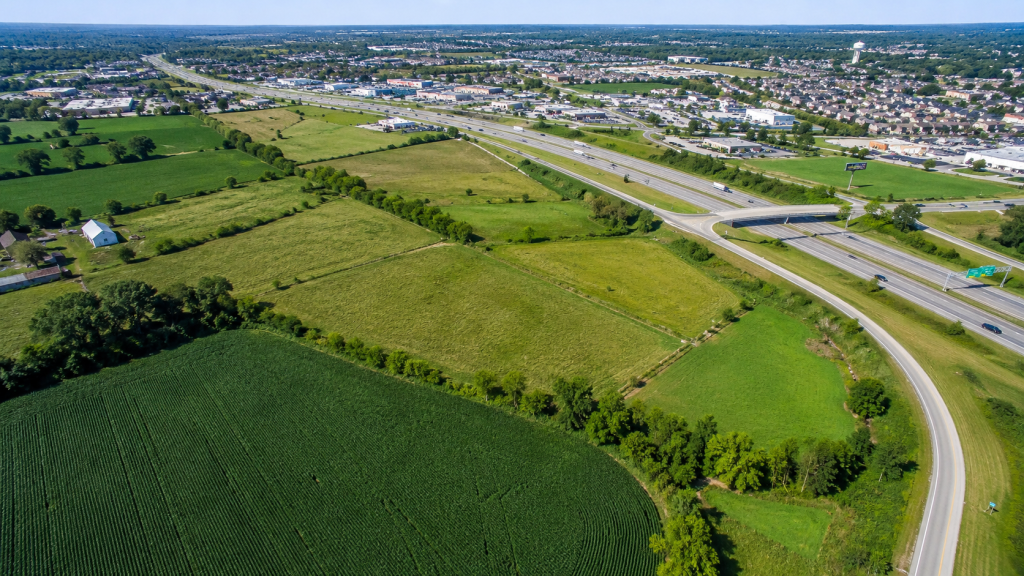
Road access is the most fundamental physical attribute of any land parcel. Land that lacks direct road frontage or has access only through easements that are poorly documented or legally ambiguous will be significantly discounted by buyers — or passed over entirely.
If your land has access issues, the improvements to consider include:
- Formalizing and recording any existing easement access — buyers and their lenders need documented, insurable access, not just a handshake agreement or a dirt path
- Clearing and improving an existing access point to make it visible and obviously usable
- If the land is landlocked, exploring whether an easement by necessity or a negotiated access agreement with an adjacent owner can create a recorded, insurable solution
Clear, legal, well-documented access removes one of the most common deal-killers in Florida land transactions.
Environmental Clarity Goes a Long Way
Wetlands are a fact of life in Florida, and buyers know it. What creates uncertainty — and discounts — is not the presence of environmental constraints but the absence of information about them. A buyer who has to spend time and money figuring out how much of your land is buildable will price that uncertainty into their offer.
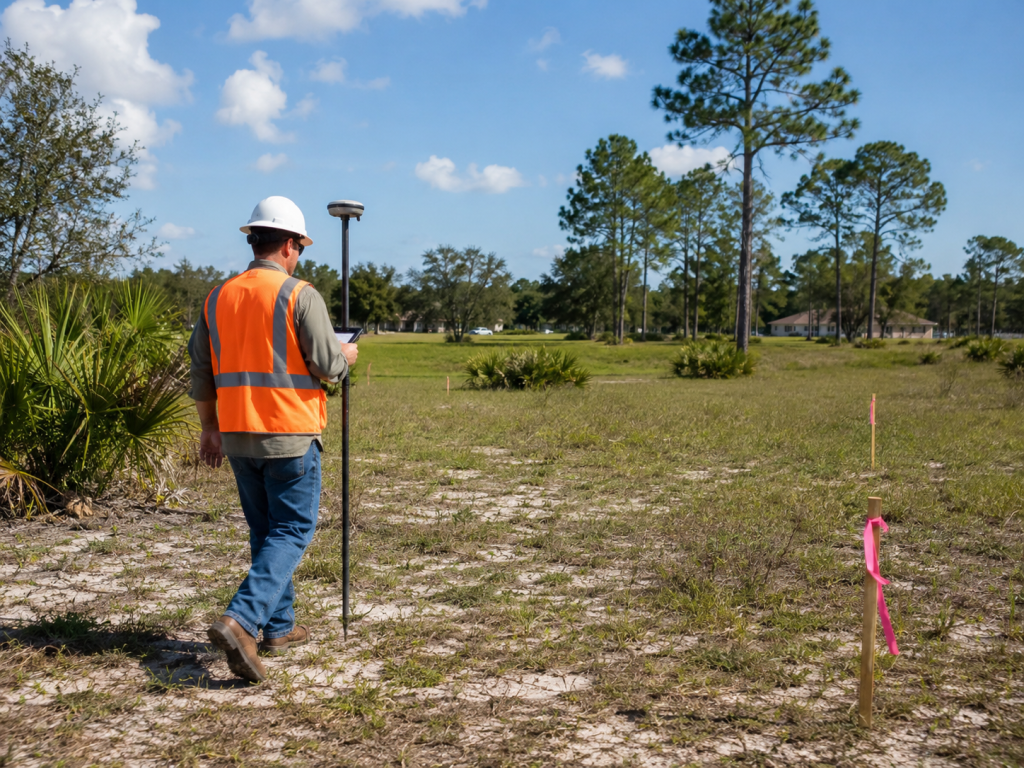
The most impactful step many sellers can take is obtaining a jurisdictional determination (JD) from the Army Corps of Engineers or a formal wetland delineation from an environmental consultant. This document maps the wetland boundaries on your parcel and provides regulatory clarity about what portion is usable. It removes a significant unknown from the buyer’s underwriting and demonstrates that you have done the legwork.
For larger or commercially zoned land, a Phase I Environmental Site Assessment addresses the liability concern of unknown contamination — another issue that can slow or kill deals when buyers discover it mid-diligence.
Zoning and Entitlements: The Highest-Leverage Variable
Nothing increases land value faster than entitlements. Land that has been rezoned to allow a more intensive use — or that has an approved development order, site plan, or plat — is worth substantially more than identical land that has not been through that process. Buyers pay a significant premium for certainty, and entitlements provide it.
The decision of whether to pursue entitlements before selling depends on your timeline, capital availability, and risk tolerance. Entitlement takes time and costs money, and it is not always the right move. But if you are in a position to carry the land through a rezoning or comprehensive plan amendment, the value lift can be substantial in the right location.
At minimum, understanding your current zoning and future land use designation — and whether either can be improved through a relatively straightforward process — is worth a conversation with a land broker and a land use attorney before you list.
Documentation and Presentation
Buyers make faster decisions and stronger offers when a seller has their information organized and ready. The basics:
- An up-to-date boundary survey, ideally with topographic information
- A current title search with any known encumbrances identified
- Utility availability letters from relevant providers
- Any existing environmental reports, wetland delineations, or studies
- A clear aerial with the parcel boundaries marked and key features identified
A seller who hands a buyer a complete due diligence package at the start of negotiations signals that there are no surprises — and that the deal can move efficiently. That confidence is worth something in the offer.
What Not to Do
Most physical improvements to raw land do not add value commensurate with their cost. Clearing timber, grading, installing fencing, or improving a pond for aesthetics rarely moves the needle for a buyer who is focused on development potential. The exception is access improvements, which can be genuinely deal-enabling. Everything else should be weighed carefully against whether it actually matters to the buyers who would purchase your specific land.
Talk to a Land Broker First
The single most reliable way to improve your land’s marketability is to understand exactly what is limiting it before you do anything else. Eshenbaugh Land Company works with landowners across Florida who are preparing to sell. If you want an honest assessment of where your land stands and what — if anything — is worth addressing before listing, contact our team.